
Walking into a casino in Newcastle for the first time can feel a bit like stepping onto Brookie Oval mid-match with no scorecard in hand. The crowd knows the calls, the cards are flying, and you are trying to work out why everyone just cheered at a word you have never heard before. Most of that confusion comes down to vocabulary, not odds, and a working grasp of gambling terminology for beginners changes the whole experience from intimidating to genuinely enjoyable. The trick is to learn the words in the order you will actually meet them at the table or the screen.
Starting at the Felt: Core Terms for the Casino Floor
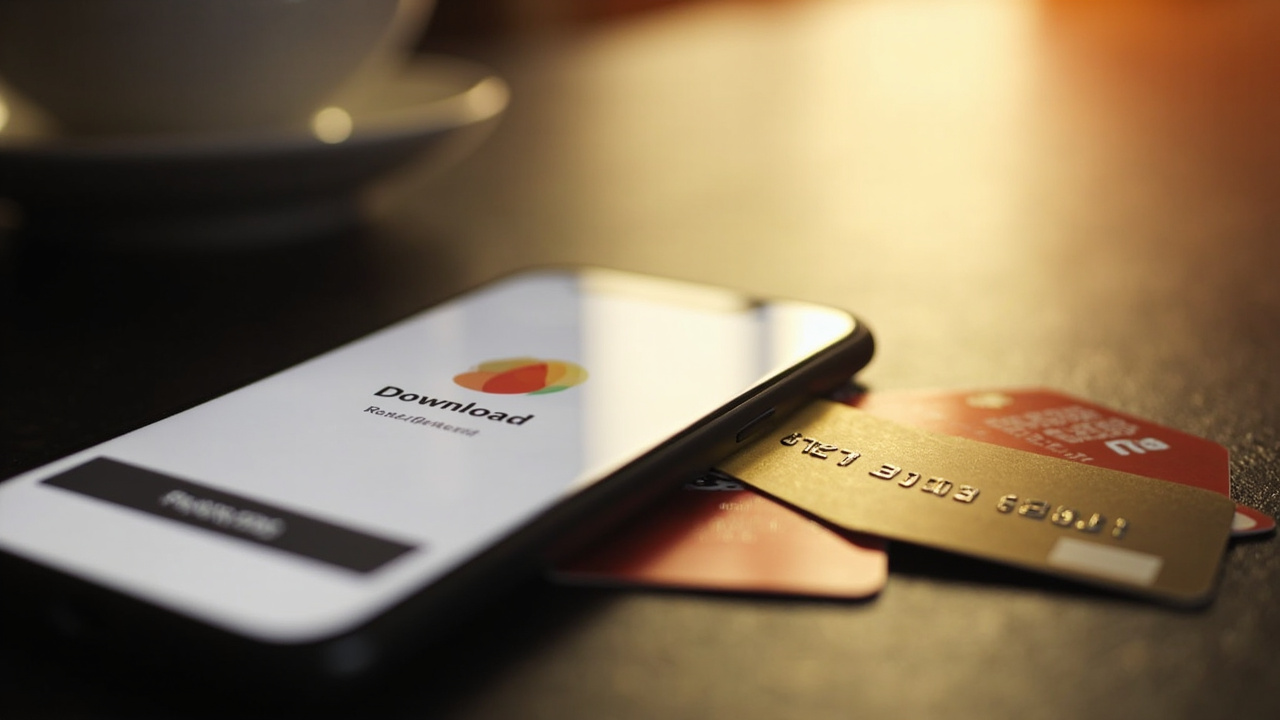
The first set of words you bump into are the structural ones, the nouns and verbs that describe what the game actually is. A wager is just your stake on a single outcome, and the house edge is the built-in percentage the casino keeps over the long run across every wager. When a dealer says “place your bets,” they mean lock in your wager before the next card or spin. A payout is what the casino returns when you win, usually expressed as a ratio such as 35:1 on a single-number roulette bet, and the RTP, or return to player, is the long-term average of those payouts expressed as a percentage of wagers.
Around the roulette wheel you will also hear two rules worth remembering before you sit down. The “la partage” rule softens the blow of a zero on even-money bets by returning half your stake, which lowers the house edge on those wagers to roughly 1.35 percent on a European wheel. In Australia, venues that run French-style roulette often advertise this rule on a small placard next to the wheel, so it pays to glance at it before you choose a table. If you are sizing up a pokie online and want a no-stakes way to learn how the bonus round reads on the reels, doghousemegawaysdemo.net is a sensible first stop.
From a treasury and governance perspective, I have seen how the smallest wording on a placard or a help screen changes the maths for a player. When the volatility of a pokie is high, you will see fewer wins but larger ones, and the hit frequency is the share of spins that produce any return at all. A progressive jackpot climbs every time someone plays and resets when it is won, while a fixed jackpot pays a set amount regardless of how much has been staked. The paytable lists every symbol combination and what each one pays, and reading it for two minutes is the single best habit a newcomer can build.
A straightforward example is](https://dienmayviet24h.com/blog/214674-hoogste-gokkasten-bonus) the way platforms advertise their biggest jackpots, since even minor phrasing shifts can nudge a player toward chasing volatility over consistency.
Banking, Bonuses and the Wagering Jargon
The second cluster of terms lives around the cashier and the promotions page, and this is where Australian players are most often tripped up. A deposit is the money you load into your account, a withdrawal is the money you take out, and KYC, or know-your-customer, is the verification process venues use to confirm your identity before your first withdrawal. Expect to provide photo ID and proof of address; offshore sites are not licensed in Australia, so any play on them sits outside the local regulatory framework, and you should treat bonuses from those operators accordingly.
Bonuses come with their own dialect. A match bonus adds a percentage of your deposit as bonus funds, so a 100 percent match on a $100 deposit gives you $200 in playable balance. The wagering requirement, sometimes called playthrough, is the number of times you must bet the bonus before it converts to withdrawable cash. A 35x wagering requirement on $100 of bonus means $3,500 in qualifying bets. A max bet rule caps the size of any single wager while a bonus is active, and game weighting decides which games count toward clearing the requirement, with pokies usually at 100 percent and table games often at 10 or 20 percent.
- Read the bonus terms before you opt in, paying close attention to wagering, expiry and max bet.
- Check the game weighting table so you know which titles count fully toward clearing the bonus.
- Track your progress through the bonus tracker if the venue provides one, and stop if the maths no longer favours you.
- Withdraw only after the wagering is complete, and run a small test cashout first to confirm the payment rail works.
Online Lingo, Live Dealers and Regional Flavours
The third group of terms covers the digital and live-dealer experience, and this is where a couple of practical scenarios help. If you are a recreational player who logs in once a week on your phone, the words that matter most are RNG, or random number generator, which is the software that decides each spin or hand, and live dealer, which means a real person streamed from a studio is dealing the cards. You will also see HD streaming, in-play betting on sports, and multi-camera angles on roulette wheels, all of which affect how clearly you can follow the action on a smaller screen in a pub car park in Newcastle while the bus is running late.
If you are a more studious player, a few extra terms sharpen your edge. The vig, or vigorish, is the bookmaker’s commission on a wager, usually built into the odds. Arbitrage describes backing every outcome of a market at combined odds above 100 percent, which is why bookmakers limit successful players. For a sense of how cross-border regulation shapes what you can actually access, it helps to know that Sweden and Norway run state gambling monopolies for public-interest reasons, a model that pushes residents toward a single licensed operator and away from offshore brands. Australia takes a different, more fragmented approach, with state-level oversight and a strong focus on harm minimisation, which is why the pre-commitment tools on legal sites let you set deposit and time limits before you play.
Across all three of these scenarios, the same three habits separate a defo-smarter player from the rest. Learn the structural terms first, read every bonus term end to end, and keep a small notebook of any word you do not recognise so you can look it up between sessions. The vocabulary is the easy part, and once it clicks the felt, the cashier and the live studio all start to feel like the same language, just with different accents.
