
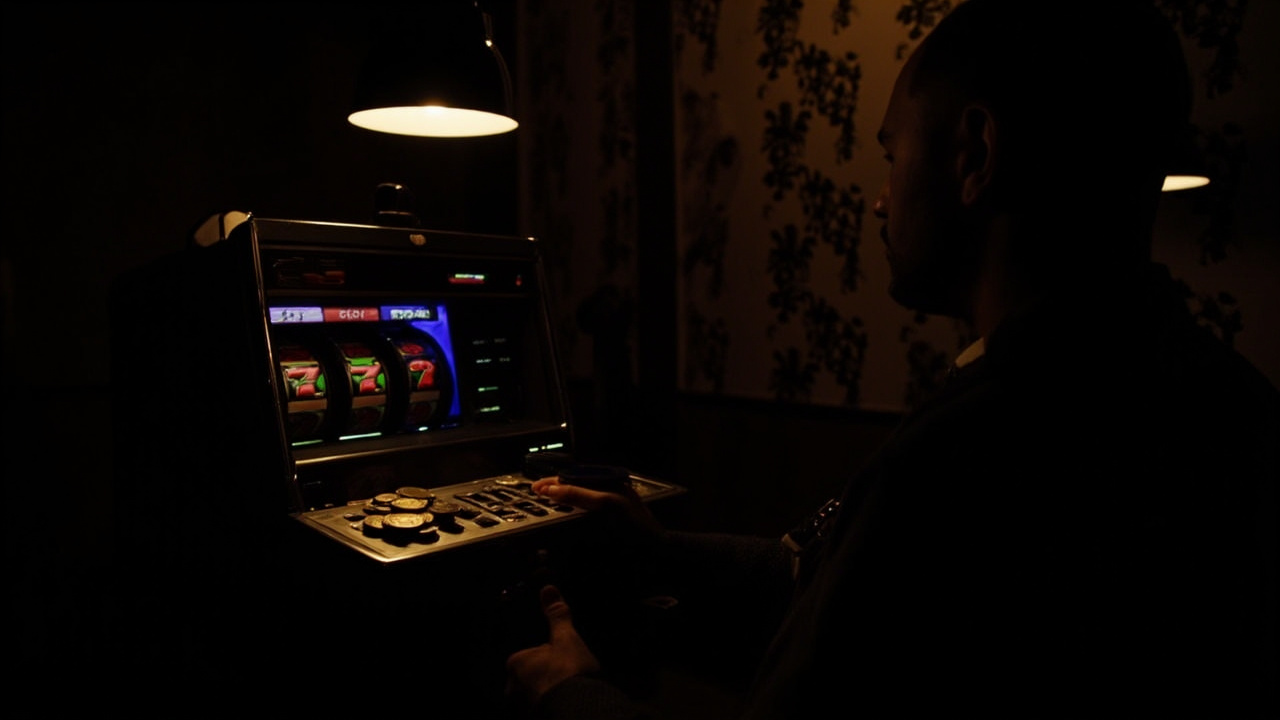
You sit down at a machine, tap in your credits, and the screen quietly tells you where the ceiling sits before you ever pull the lever. Casino maximum bet limits are the invisible guardrail that decides how far a single spin, hand, or deal can climb, and they matter far more than most punters realise when the arvo light starts fading over the Gold Coast strip. I have watched players chase a streak until the table limit clipped them clean off, and the lesson always lands the same way: a cap is not a suggestion, it is the rules written into the felt.
Reading the Ceiling Before You Commit
The first thing you notice is that the limit rarely announces itself with a siren. On a live table it sits in the little placard at the end of the rail, on a digital reel it hides behind a paytable tap, and on a mobile app it waits under a settings icon you might miss if you are busy as a chook during a long session. I always tell readers to treat that number like a speed sign on the Bruce Highway: you can drive under it all night, but the moment you push past it the whole setup changes. A casino will usually set the cap per spin, per hand, or per race, and the wording matters because a per-spin ceiling on a pokies game behaves differently from a per-hand ceiling at a blackjack table. You want to know whether the limit applies to your base wager alone or whether it swallows any active lines, multipliers, or side bets you have switched on. If you are playing a game where a single feature can multiply your stake, the stated cap can shrink your effective ceiling faster than you expect. I have seen a player load five lines, turn on a multiplier toggle, and then wonder why the machine refused a spin that looked well inside the advertised figure. The trick is to read the cap as it applies to your actual configuration, not the default screen you glanced at on the way past.
luckydream tracks how different operators display these ceilings across their lobbies, and the difference between a clean presentation and a buried one tells you a lot about how a floor wants you to play. A well-laid-out lobby lists the per-spin cap beside the game thumbnail, while a cluttered one forces you to open the paytable and scroll before you find the number that actually governs your wager.
What the Cap Actually Does to Your Wager
Once you know where the number lives, the next question is what it does when you bump into it. A casino maximum bet limit is not a soft suggestion that bends when the cards run hot; it is a hard stop that the software or the pit boss enforces the instant your spin or bet crosses the line. On a pokies machine, hitting the ceiling usually means the spin simply will not register until you trim your lines, drop a multiplier, or reduce your coin value. At a table, the dealer will call the limit and the hand proceeds with the capped amount, which can feel anticlimactic if you were planning to press on. I have watched a player at a Gold Coast club try to slide an extra chip into a baccarat hand only to have the floor manager politely shut it down before the cards even turned. The practical effect is that the cap disciplines your momentum: it stops a winning run from ballooning into a reckless overreach, but it also stops a recovery bet from growing large enough to turn a session around. That is why I always advise readers to decide their bet size relative to the cap before they sit down, rather than discovering the ceiling after they have already committed to a line of play. If the cap sits at a level that makes your preferred stake feel cramped, the game is probably not the right fit, and no amount of wishful thinking will change the maths on the next hand.
Where the Limit Comes From and Why It Holds
The number on the rail or the screen usually comes from a mix of operator policy, game design, and the broader oversight that keeps a licensed floor operating within its licence conditions. In Australia, that oversight is not a free pass to play wherever you like, and I have always been clear that offshore casino play is not licensed or regulated here, so the protections you expect from a domestic floor do not travel with you across the water. The High Court of Australia ultimately ruled against Kakavas in his case against Crown, a decision that still echoes whenever a player argues the house should let a bet ride past the point the rules allow. That ruling is a useful reminder that the cap is part of the contract you step into the moment you take a seat, not a hurdle the operator invented on the spot to slow you down. Some venues even keep live entertainment like dancers and performers on the gaming floor itself, which is a reminder that a casino is a designed environment as much as a betting space, and the limits are part of that design. I have walked past a floor where the music, the lighting, and the performers all worked to keep the pace moving, while the placards at each table quietly set the boundaries that kept the night from tipping into chaos. The lesson for a player is simple: treat the limit as a fixed feature of the room, not a personal obstacle, and plan your session around the reality of the ceiling rather than the fantasy of what you wish it would let you do.
Using the Limit to Shape a Smarter Session
A sensible session starts with the cap, not with the dream of a big hit. I like to work backward from the ceiling: if the per-spin limit sits at a level that makes your usual stake feel stretched, I either pick a different game or accept that the floor is telling me the stakes are not built for my rhythm. That approach saves a lot of frustration later, because nothing sours a night faster than realising halfway through that the machine will not let you size up the way you hoped. Responsible-play tools matter here too, because a deposit limit or a session timer works best when it sits alongside a bet ceiling you have already accepted. I have told readers for years that a cap is only useful if you respect it before the cards turn or the reels stop, and the players who do that are the ones who leave the venue with their night intact rather than their nerves frayed. If you want a practical comparison of how different operators present their ceilings and tie them to support options, luckydream is worth a look before you pick a venue, because a clear presentation usually signals a floor that takes its controls seriously. Over a flat white at the pub, my mate Des summed it up neatly: “I’d rather know the roof is low before I start stacking chairs,” he said, and I reckon that is the right way to think about any limit that governs your wager.

A per-spin ceiling is the maximum amount a single round can wager, whether you are on a pokies machine or at a table game. A per-hand cap applies to one deal or one round at a card or table game, and it can differ from the per-spin figure on the same venue’s floor. A side bet is a separate wager that often carries its own limit, which is why a game can feel capped even when the main bet looks comfortable. A paytable is the screen or card that lists payouts and often hides the actual bet ceiling behind a menu you need to open.
